When it comes to designing a dream bathroom, few fixtures make a statement quite like a freestanding bath. Sculptural in form and soothing in experience, a freestanding bath can elevate a bathroom from purely functional to the height of sanctuary.
But with so many shapes, colours, textures and materials to choose from, how do we know which freestanding bath is right for our space?
Whether you’re designing a brand-new bathroom or refreshing an existing space, here’s everything you need to know about freestanding baths, and how to find the one that best fits your space, needs, and design vision.
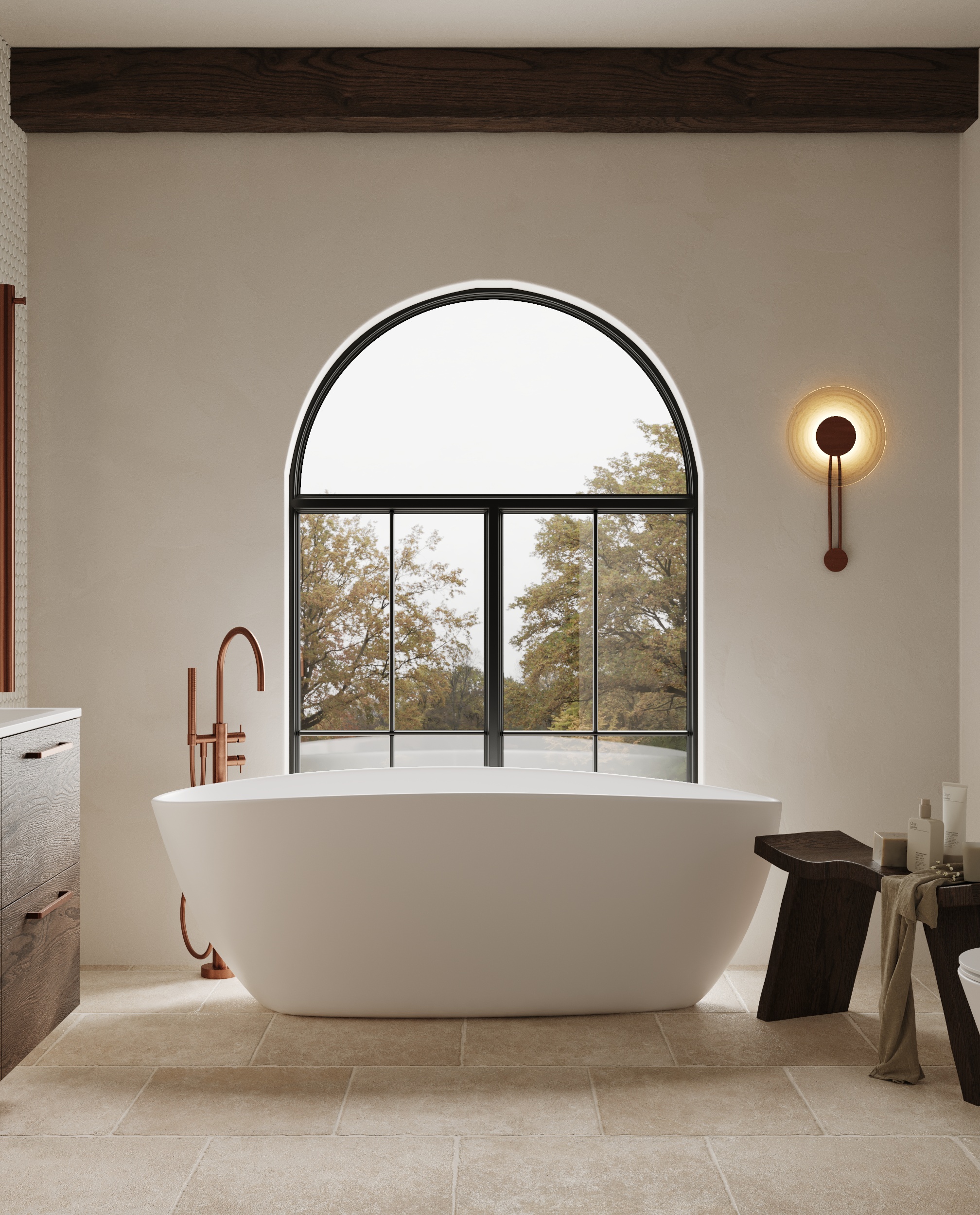
A freestanding bath is a bath that stands alone — literally. Unlike built-in or inset baths, which are installed against walls or into raised surrounds, a freestanding bath is a standalone feature, often installed away from walls or with only minimal contact.
Because of this independence, freestanding baths offer incredible design freedom and visual impact. Freestanding baths don’t just sit in the space; they centre it; they command it.
Not all freestanding baths are created equal. Differing in size, shape, material, and colour, freestanding baths offer us almost endless design opportunities. Understanding these differences is what helps us choose the freestanding bath that feels right for our space, our style, and the way we live.
When it comes to freestanding baths, size does matter — especially when you're working within the spatial limitations of a bathroom layout. The dimensions of your bath will impact not only how it fits the room but how it feels to use.
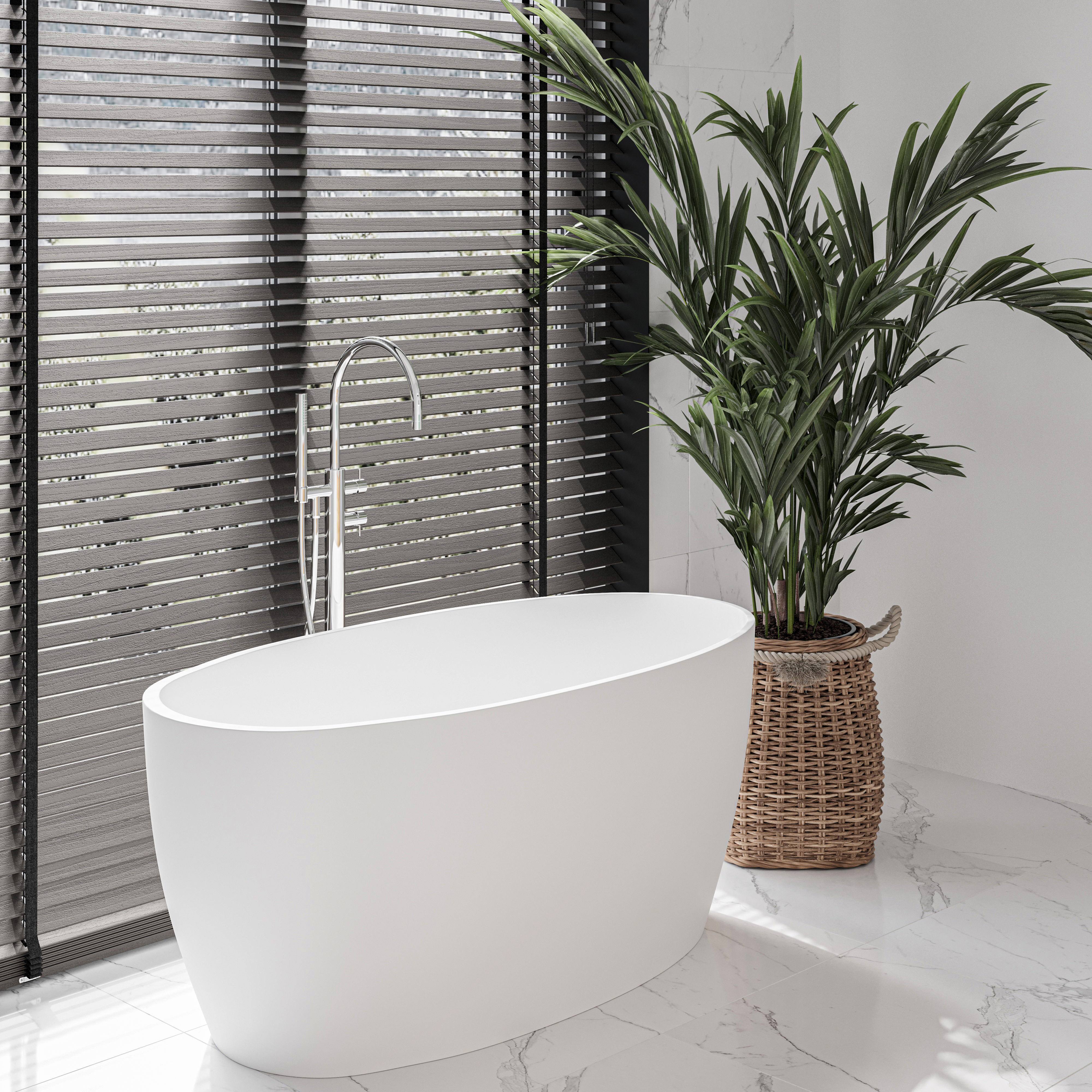
Shape not only defines the physical look of your bath but also contributes to its comfort, character, and compatibility with other fixtures.
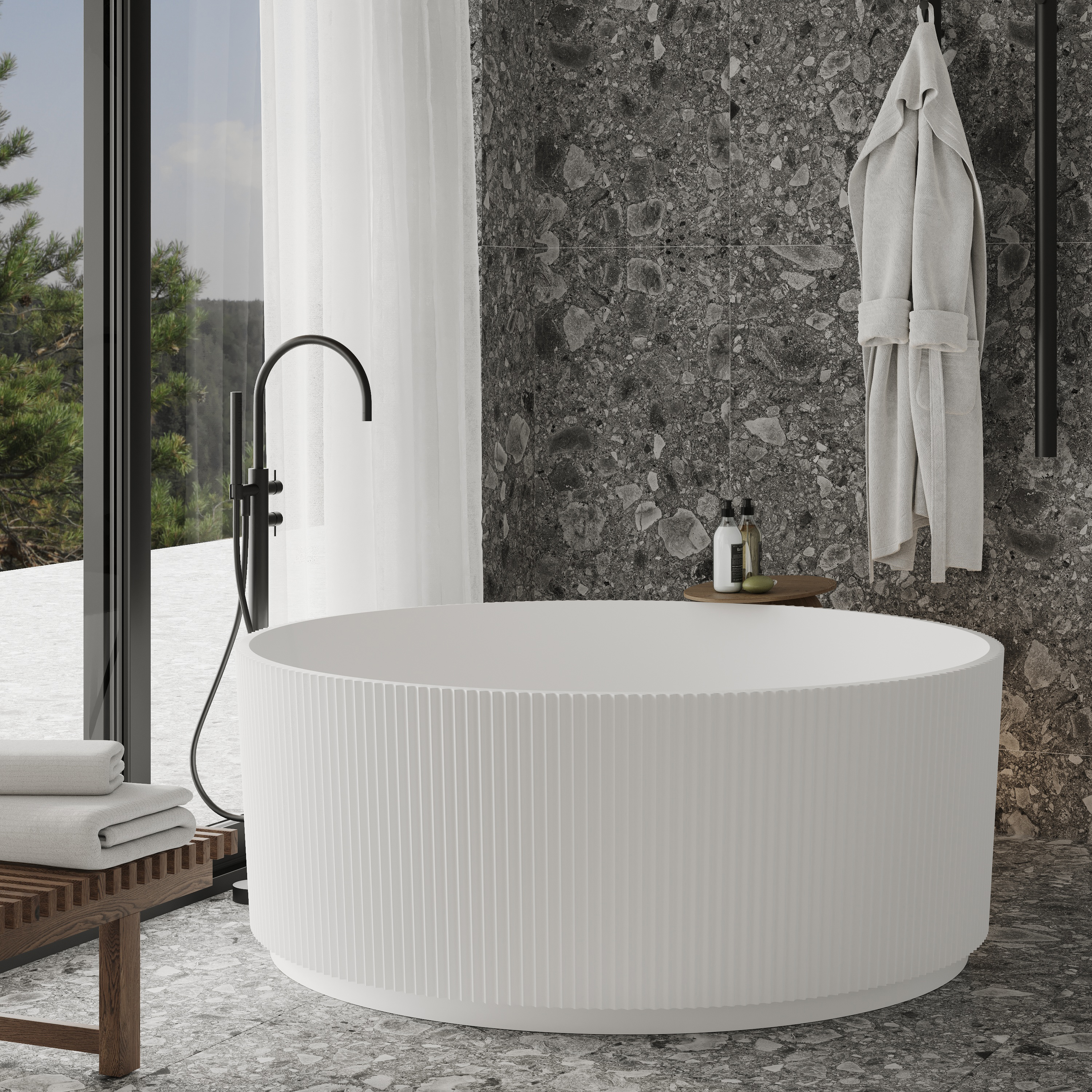
Freestanding baths come in a range of materials, each offering its own balance of form, function, and durability. The material you choose can affect the bath’s weight, heat retention, finish, and overall feel.
Different materials also carry different care requirements. StoneCast, for instance, should be regularly cleaned with non-abrasive sponges and gentle cleaners to protect its surface integrity. Acrylic, on the other hand, is low-maintenance and easy to clean, typically requiring only a mild cleaner and soft cloth to keep it looking its best.
The colour and finish of your freestanding bath play a key role in setting the tone of your bathroom. The finishes available are largely determined by the material of your bath.
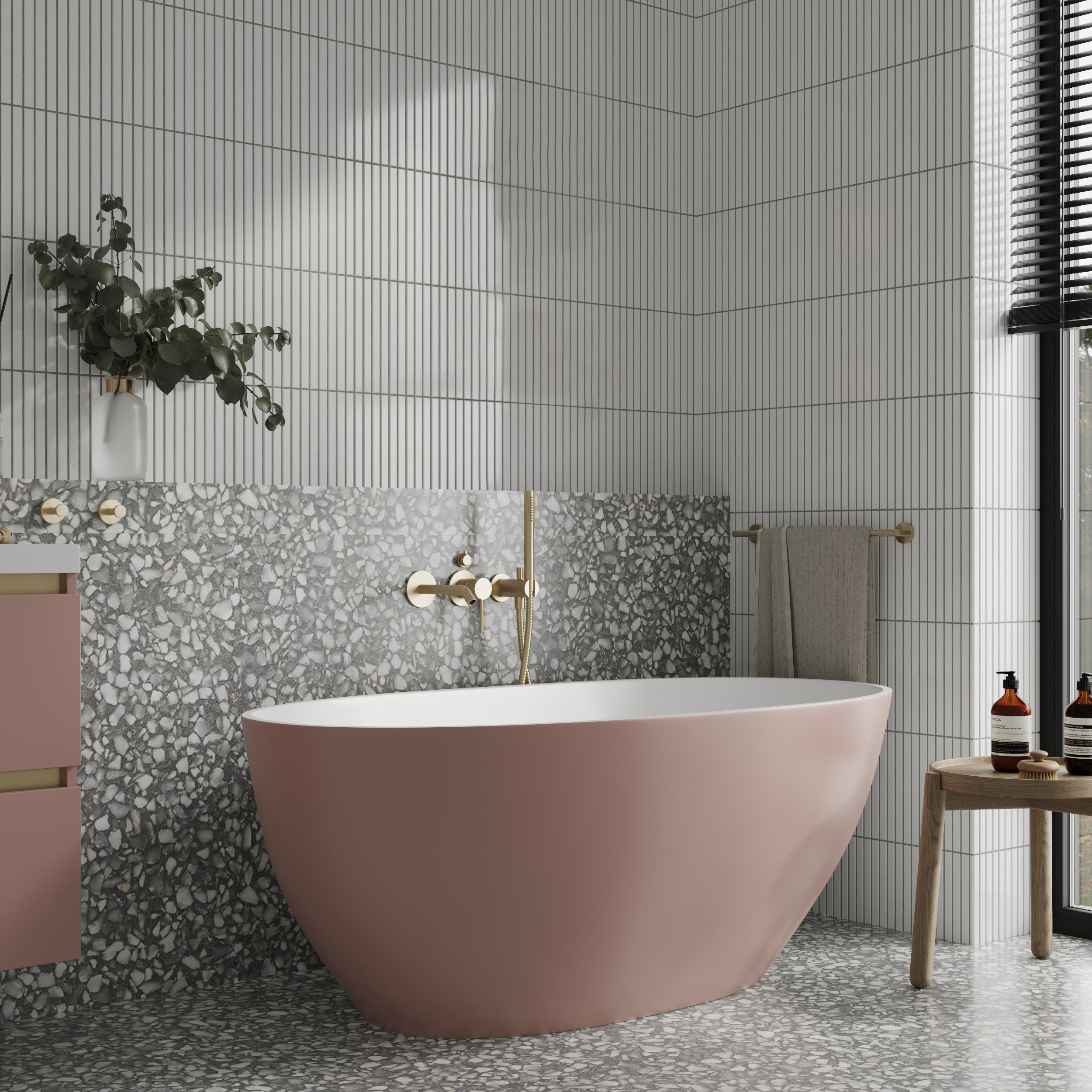
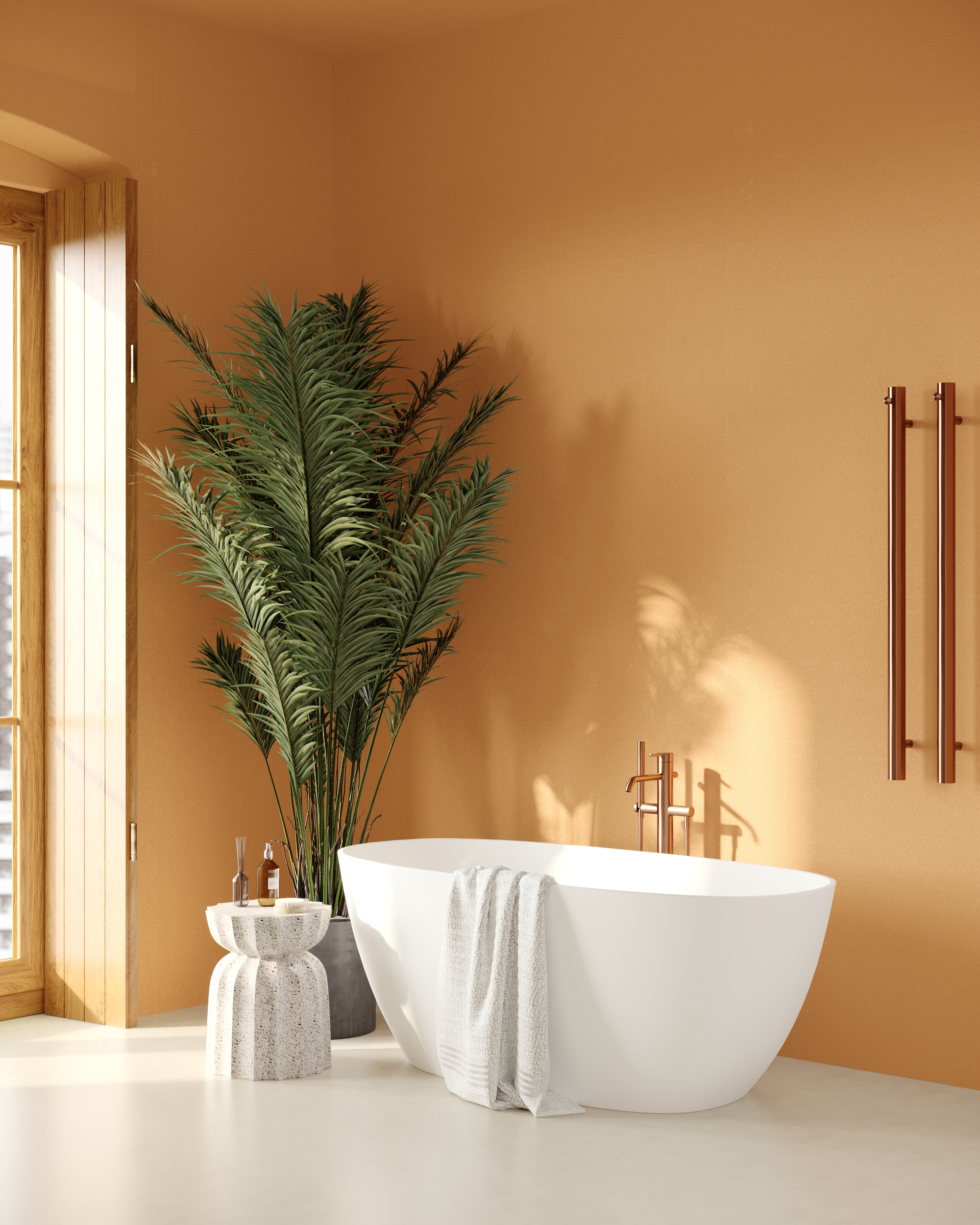
StoneCast baths are offered exclusively in matte white or gloss white finishes. Matte white brings a soft, architectural elegance that suits contemporary spaces, while gloss white reflects light beautifully, enhancing brightness and delivering a clean, classic look.
Acrylic baths, however, offer even greater flexibility. In addition to high-gloss white, they can be customised in a curated selection of painted colours that match the Serenity and Vista vanity ranges. These colours include soft tones like Seafoam, Iceberg, and Dusk Grey, deeper shades such as Matte Black, Twilight, and Hunter Green, and earthy neutrals like Bullet, Eucalyptus, and Dawn Grey.
The painted finish is achieved using a durable, two-pack exterior grade polyurethane in a satin finish, ensuring your bath not only looks beautiful but wears well over time.
A freestanding bath makes a stunning statement, but getting the most from it means considering more than just the bath itself. From placement to tapware, flooring to function, every detail contributes to how your bath fits and feels within your bathroom space.
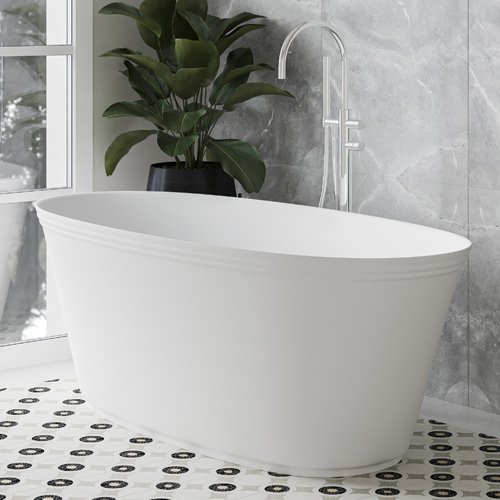
Space and Placement
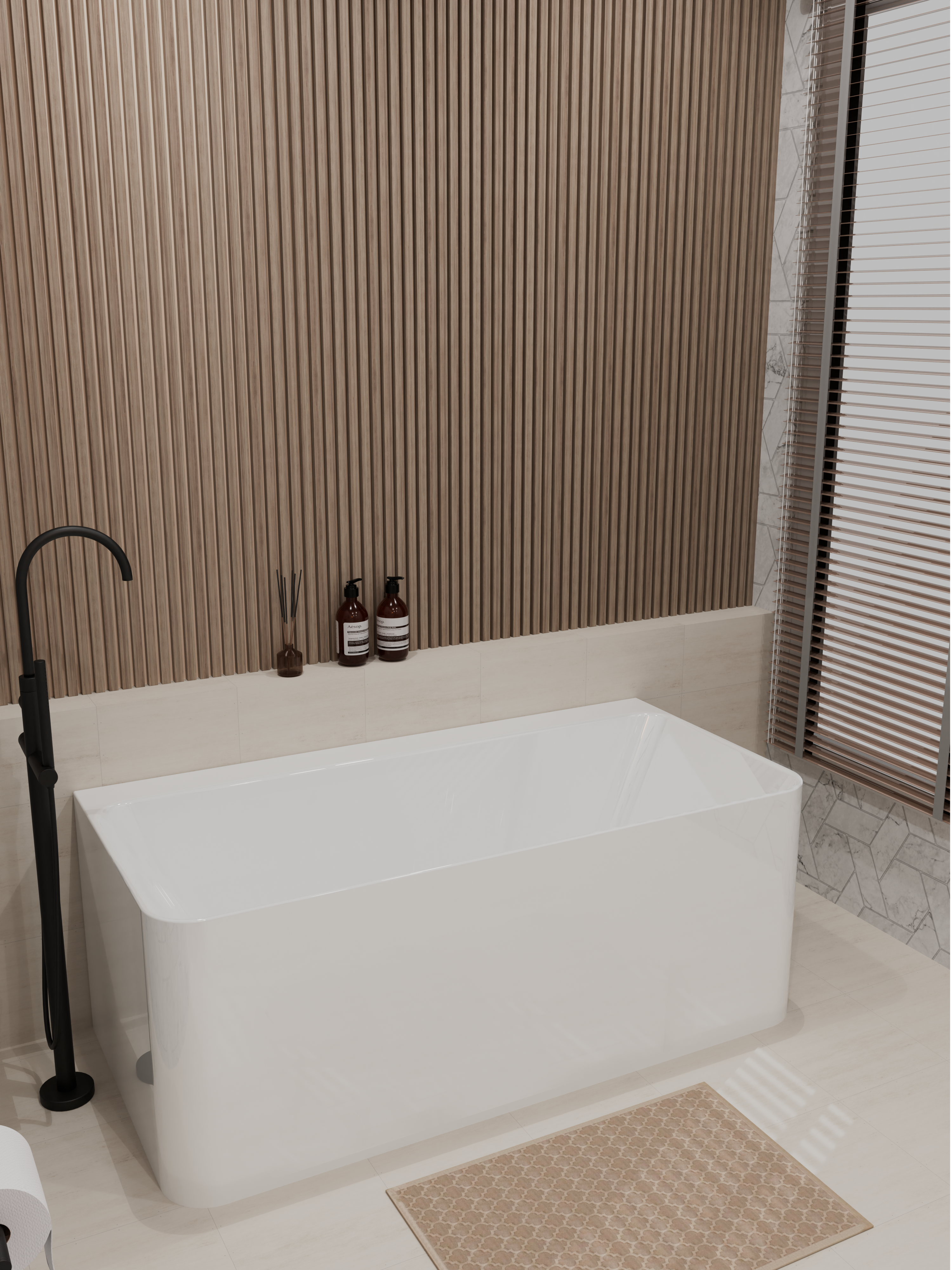
Freestanding baths need a bit of breathing room to truly shine. While back-to-wall options are perfect for compact bathrooms, centrally placed freestanding baths work best in larger layouts where you can walk around them. Ideally, leave a 100mm clearance around the bath to make cleaning and movement easy. Be sure to consider proximity to windows, vanities, and towel rails to ensure the bath doesn’t feel cramped or disconnected from the rest of the space.
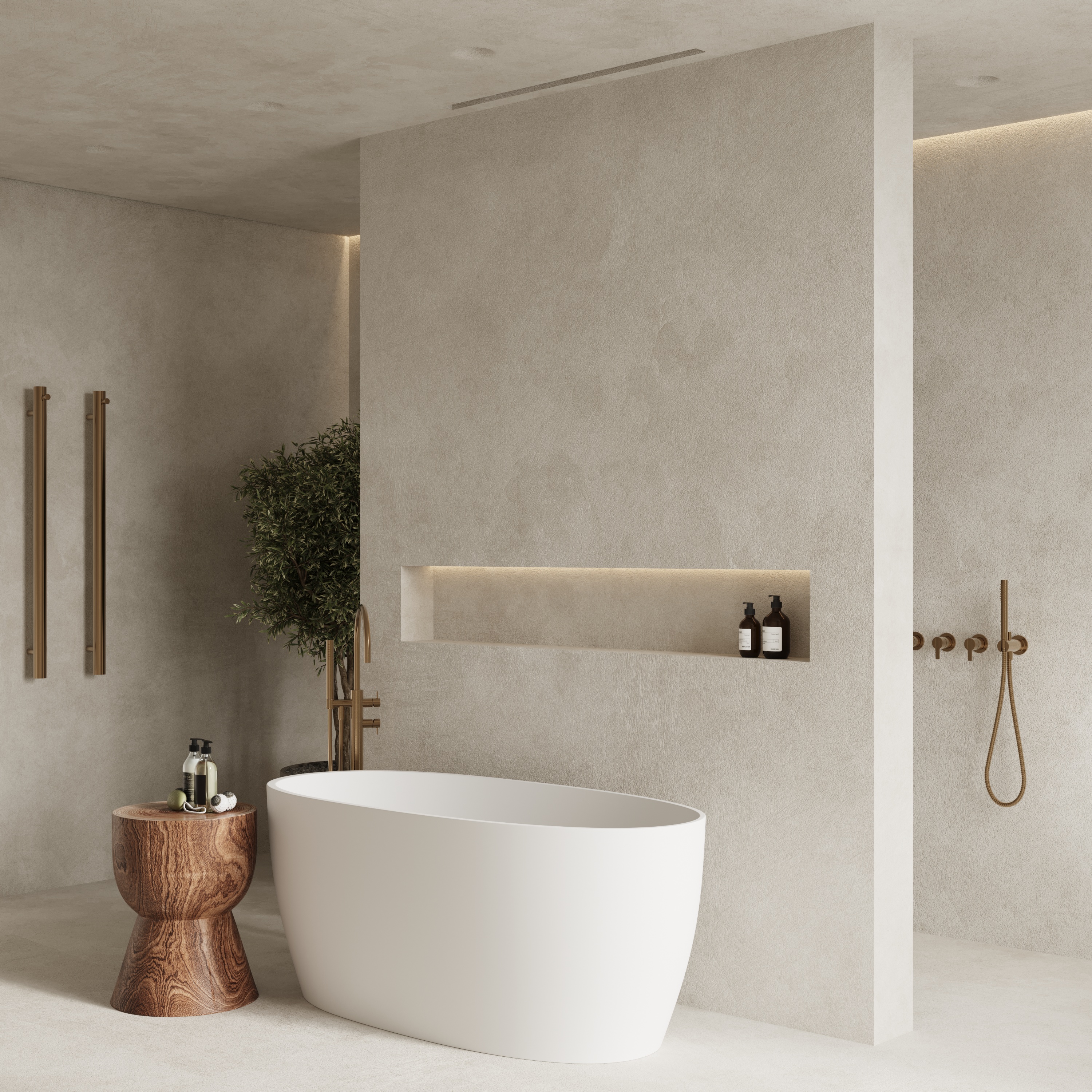
Your bath’s tapware has a big impact on both form and function. For a minimalist, wall-hugging bath, wall-mounted mixers offer a clean, modern look. Floor-mounted tapware, however, pairs beautifully with centrally placed baths, turning the entire setup into a luxurious design feature. When choosing tapware, think about reach, water flow, and access for maintenance.
Because freestanding baths don’t rely on built-in surrounds, the flooring beneath them needs to do some heavy lifting. Heavier baths, like those made from StoneCast, may require floor reinforcement, especially on upper stories. Moisture-resistant, non-slip surfaces are essential not only for safety but also to protect the floor’s longevity. Consider large-format tiles, sealed concrete, or engineered stone for a seamless and functional base.
Freestanding baths are as much about visual impact as they are about relaxation. Consider the overall look of your bathroom — are you aiming for soft and serene, bold and dramatic, or minimalist and clean? Choose a bath shape, colour, and placement that supports your aesthetic while still delivering on everyday functionality. Whether your space is compact or expansive, a well-placed freestanding bath should feel intentional, comfortable, and cohesive with the rest of your bathroom.
If you’re ready to incorporate a freestanding bath into your bathroom but aren’t quite sure where to begin, we’d love to help. To chat with one of our friendly team members, give us a call on 0800 728 662 or send us an email at sales@newtech.co.nz. You can also explore the full range of freestanding baths, tapware, and accessories online at newtech.co.nz.