


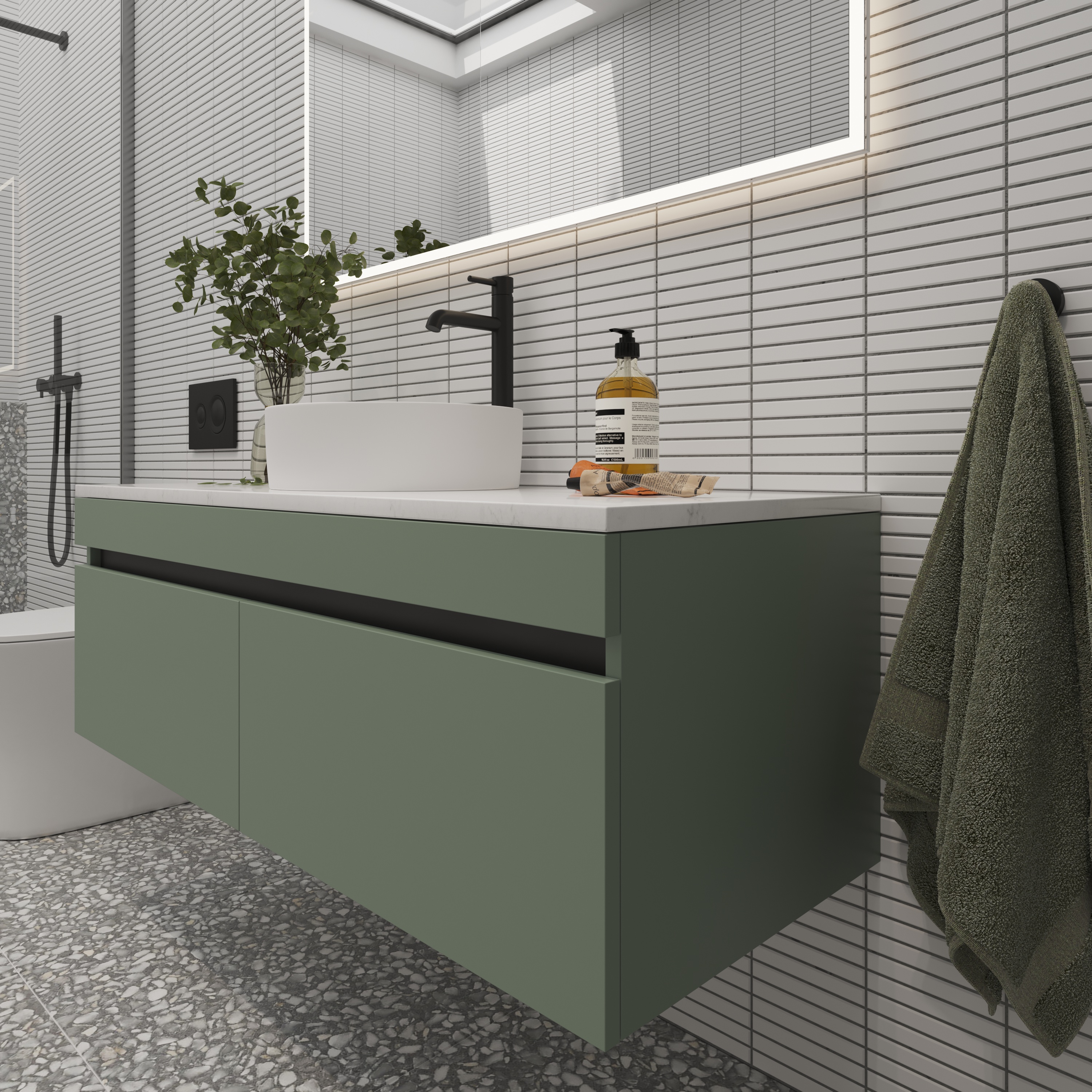
Bathroom cabinetry is expected to do more than look good; it must withstand daily exposure to steam, splashes, and constant temperature changes. A well-built vanity can handle these conditions, but when materials or adhesives fall short, a common issue called delamination can occur — where the surface layer begins to peel or lift away from the base material.
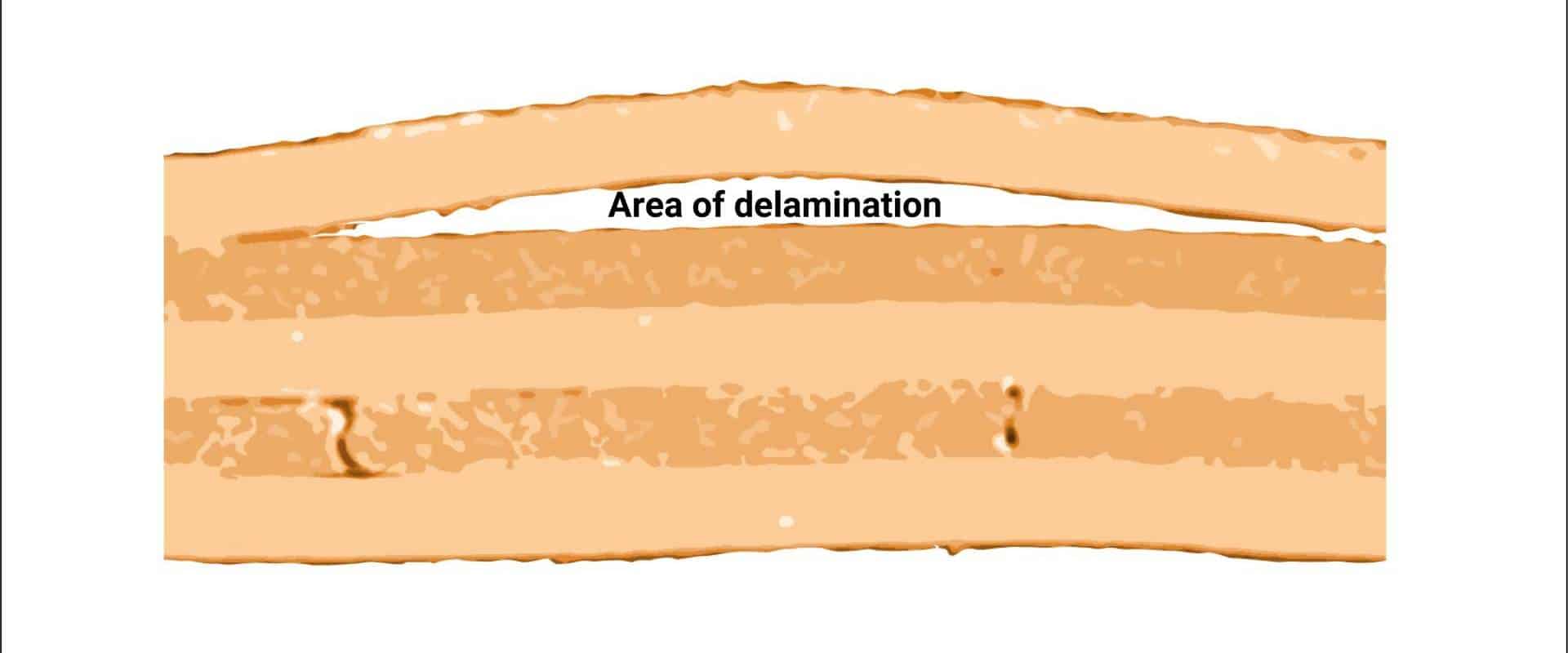
Delamination happens when the bond between the decorative surface (such as melamine, laminate, or polyurethane coating) and the underlying substrate (usually MDF or particleboard) weakens. In bathrooms, this usually results from moisture seeping into the edges or joints, often through small imperfections in the edge tape or corners of drawer fronts.
Over time, repeated water exposure, for example from splashes or small pools of water left on the vanity top, can cause the board beneath the surface to swell and distort, pushing the finish away from its base. The result is unsightly bubbling or peeling, which compromises both the vanity’s look and structural integrity.
Where It Happens Most
Delamination is most common around cabinet edges and drawer fronts, where water can collect and linger. A small pool of water sitting on a vanity edge might seem harmless, but if it seeps in through an unsealed join, it can cause the board to expand and the laminate or finish to separate. In high-use bathrooms, where splashes are frequent, this process can happen faster than expected.
The best way to prevent delamination is to choose quality cabinetry designed specifically for bathroom environments — and maintain it with care.
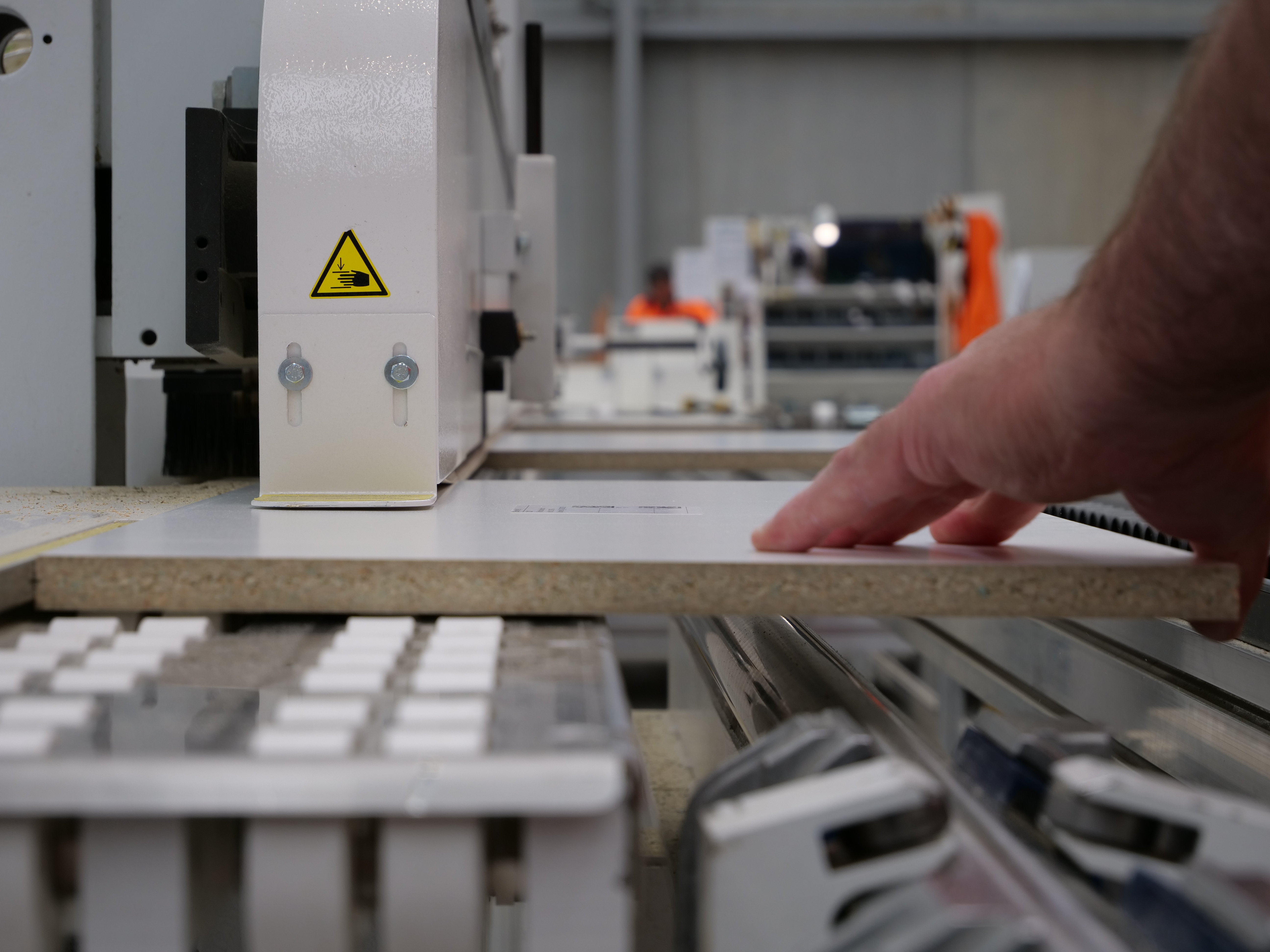
Newtech vanities are built to resist moisture from the inside out. A key reason for this resilience lies in the adhesive used during edge taping. Instead of standard EVA glue, Newtech uses PUR (Polyurethane Reactive) glue, a high-performance adhesive that forms a waterproof chemical bond between the board and its edge tape.
PUR glue is exceptionally resistant to heat, humidity, and steam — exactly the conditions that challenge ordinary bathroom cabinetry. Once cured, it prevents water ingress, helping the vanity maintain its crisp lines and flawless surface for years to come.
You can read more about the difference between PUR and EVA glue in Newtech’s blog, “PUR vs EVA Glue: Which Is Best for Bathroom Cabinetry?”.
2. Prevent Water Pooling
Even the best-built vanity benefits from good habits. Wipe up spills promptly and avoid letting water pool on surfaces, especially around drawer edges and front panels. A soft, dry cloth is usually all that’s needed to maintain the finish. Simple care goes a long way toward preserving your vanity’s appearance and structure.
Correct installation also plays a role. Ensuring that the vanity is level, securely fixed, and properly sealed against adjacent walls or floors helps prevent moisture from reaching vulnerable areas.
From moisture-resistant materials and Hettich soft-close hardware to precision edge taping with PUR glue, every Newtech vanity is crafted to perform in demanding bathroom conditions. Collections such as Vista, Boulevard, and Serenity combine durable construction with refined design, ensuring that function and style go hand in hand.
Choose Quality That Lasts
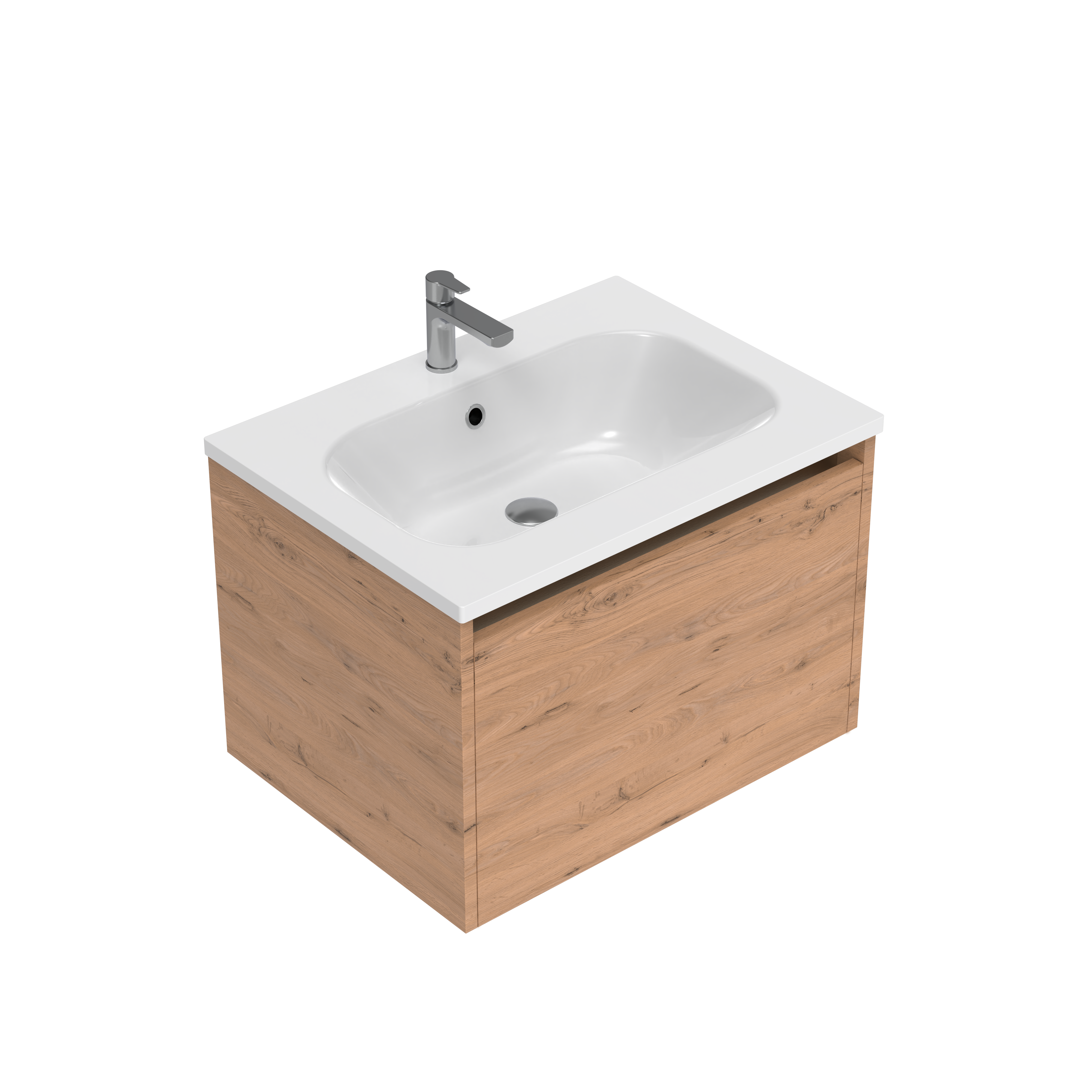
While delamination can occur over time in any moisture-exposed environment, it’s far less likely with the right materials and care. Choosing quality cabinetry and maintaining it properly makes all the difference. By selecting a Newtech vanity built with PUR-bonded edges and moisture-resistant finishes, homeowners can enjoy bathroom cabinetry designed to last beautifully for years to come.
To explore the full collection, browse Newtech’s vanity range or contact the team at sales@newtech.co.nz or 0800 728 662 for expert guidance on choosing cabinetry that’s built to last.


