In bathroom design, precision matters as much as aesthetics. While the shape and finish of a toilet define the look, its trap and setout determine how seamlessly it integrates into your space. Knowing the difference between an S-trap and a P-trap, and how setout measurements work, can make the difference between a perfect fit and an expensive re-plumb.
A toilet trap is the curved section of the outlet pipe that connects the toilet pan to the waste outlet in the floor or wall. Its purpose is twofold — to carry waste away and to seal out odours from the sewer system by holding a small amount of water in the bend.
There are two main types of traps used in New Zealand bathrooms:
An S-trap toilet connects directly into the floor. The waste pipe exits downward from the base of the pan, curving in an “S” shape before entering the floor outlet. S-traps are the most common configuration in New Zealand homes, particularly in renovations or older properties where floor plumbing already exists.
A P-trap toilet, on the other hand, connects horizontally through the wall behind the toilet. The waste pipe exits from the back of the pan in a “P”-shaped curve, making this setup ideal for wall plumbing or modern in-wall cistern installations.
Choosing between the two depends entirely on where your existing waste outlet is located. A mismatch between trap type and plumbing position can result in costly adjustments — or a toilet that simply doesn’t fit.
A setout refers to the distance between the wall and the centre of the waste outlet. For S-trap toilets, this measurement is taken from the finished wall to the centre of the floor outlet; for P-traps, it’s measured from the floor up to the centre of the wall outlet.
Standard setouts in New Zealand typically fall between 140mm and 165mm, but older homes or renovated bathrooms may vary widely. Measuring your setout accurately before purchasing ensures your chosen toilet will align neatly with the existing plumbing and avoid awkward gaps or misalignment against the wall.
Even a beautifully designed toilet will only perform properly if it’s compatible with your plumbing layout. Small differences in setout or trap position can affect how the pan sits against the wall and whether the outlet seals securely. When replacing an existing toilet, always check both the trap type and setout first — it can mean the difference between an easy installation and a full re-plumb.
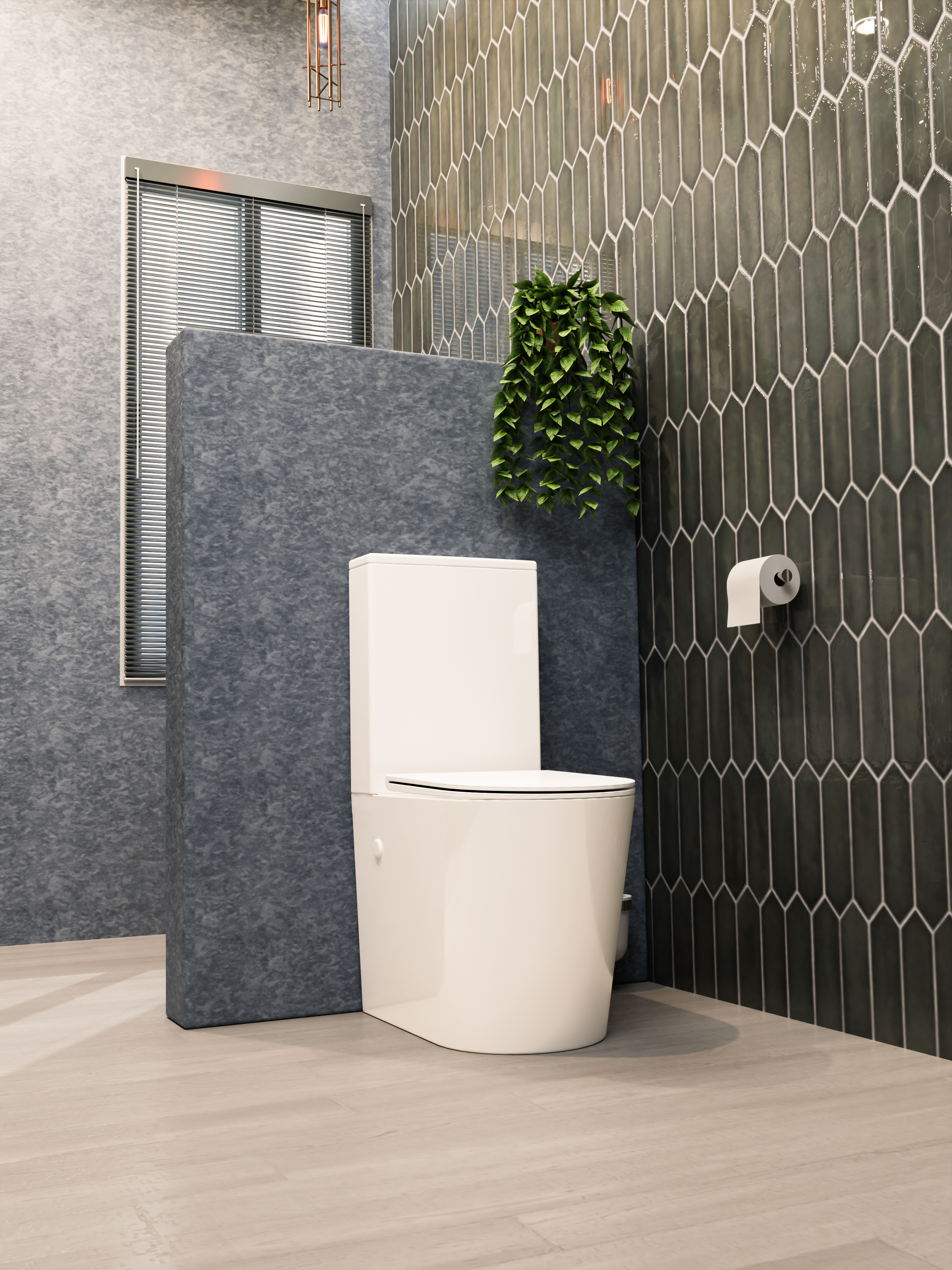
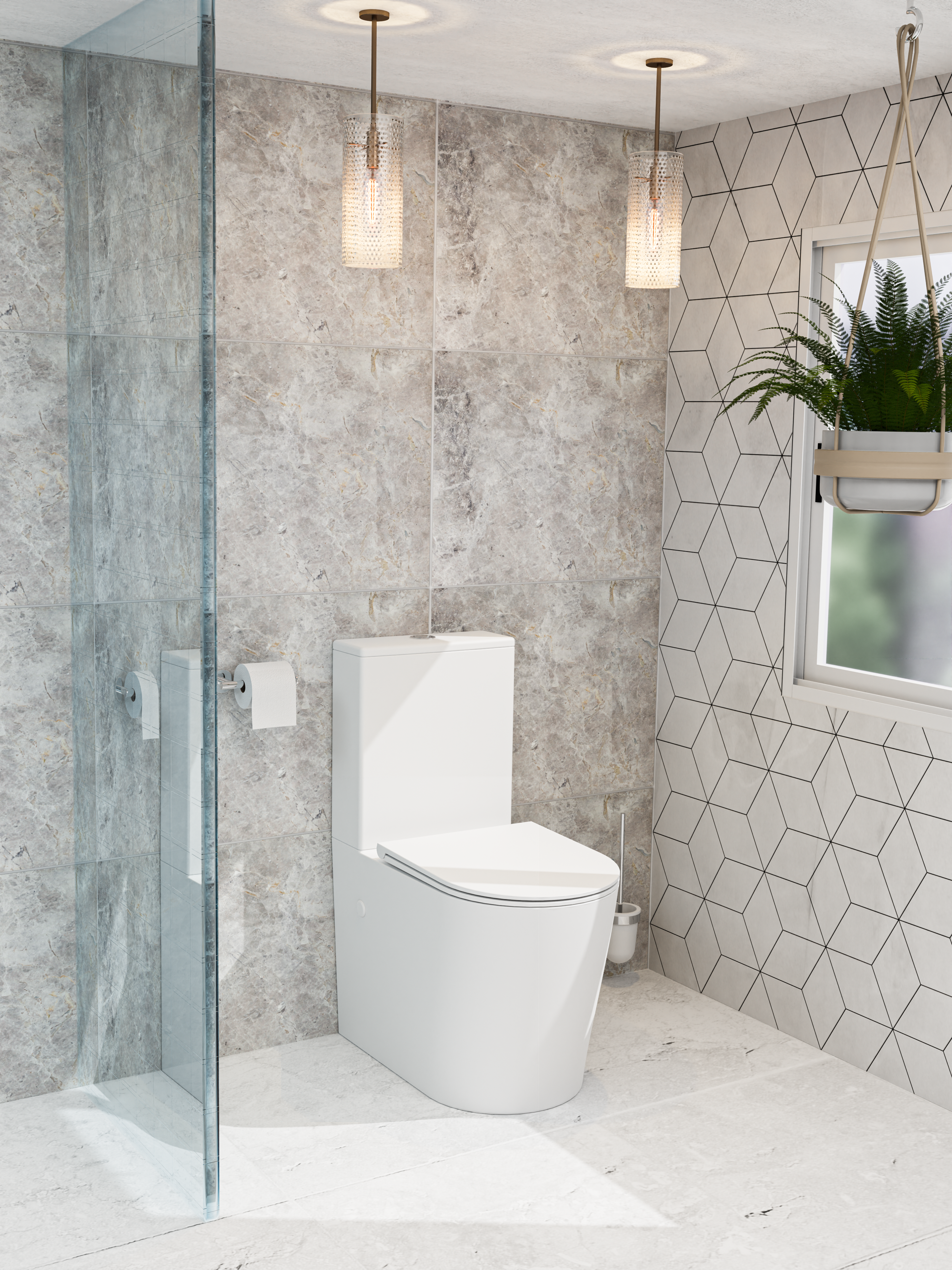
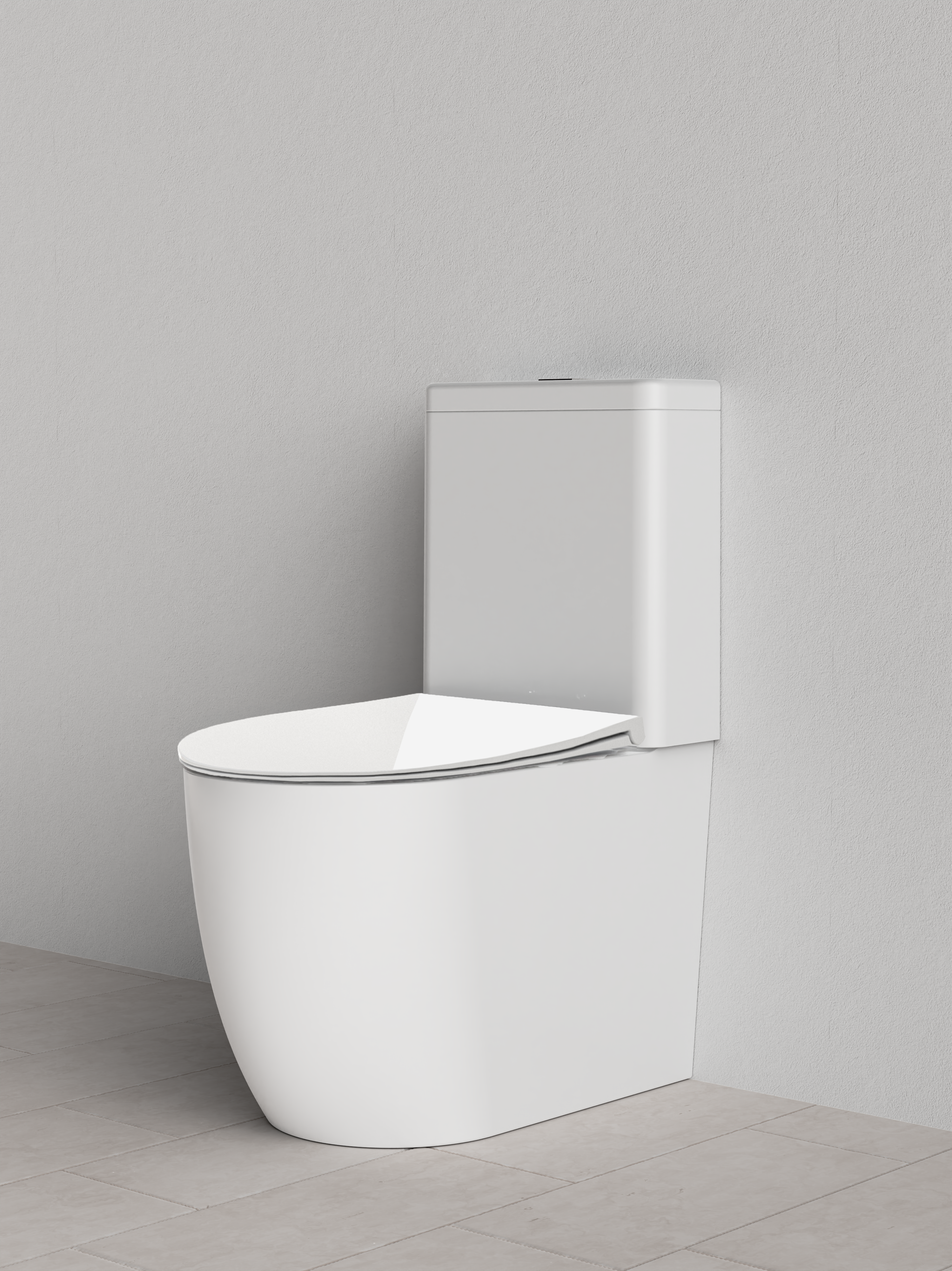
Newtech’s Casalino, Casalino Compac, Frank, and Casa Curve back-to-wall toilet suites all use a standard S-trap connector, suitable for setouts between 60 mm and 150 mm. For installations requiring extra reach, Newtech’s gooseneck connector extends compatibility up to 250mm, offering the flexibility to align with a wide range of existing plumbing layouts.
For those choosing the Casalino or Casalino Compac with Newtech’s odourless upgrade, which integrates a discreet in-cistern ventilation system for a fresher bathroom environment, the maximum compatible setout reduces slightly to 155mm to accommodate the built-in components.
This adaptable installation system allows both homeowners and installers to achieve a clean, close-coupled finish without compromising design intent. Each suite pairs precision engineering with contemporary styling — combining rimless flushing, soft-close seats, and durable finishes that ensure every Newtech toilet performs beautifully and looks at home in any bathroom setting.
Precision You Can Depend On
Behind every Newtech toilet lies more than style — there’s careful engineering that ensures installation is straightforward and performance is long-lasting. Whether you’re replacing an older model or designing a new bathroom from scratch, understanding traps and setouts helps you make an informed choice.
To explore Newtech’s full range of back-to-wall and compact toilet suites, visit newtech.co.nz/categories/toilets or contact the team at sales@newtech.co.nz or 0800 728 662 for expert guidance tailored to your project.